
Funerals are a universal part of human existence, but the rituals and customs associated with them vary greatly across different societies and cultures. Funeral rites serve as a symbolic means for honouring the dead, providing closure for the bereaved, and upholding a society’s moral and spiritual beliefs.
What is fascinating, however, is the diversity in these rites – each tradition offers unique practices that reflect the values and ideologies of its people.
Cultural funeral rites are not merely about performing rituals; they carry deep cultural significance, preserving beliefs about life, death, and the afterlife. These ceremonies are not only essential for the deceased but also for those left behind, providing them with the opportunity to say goodbye, express grief, and connect with their community.
By delving into the intricacies of cultural funeral rites, we gain insight into how societies cope with loss and maintain continuity with their traditions.
These rituals play a pivotal role in shaping collective identity. For instance, in some cultures, the rites involve elaborate ceremonies that can span several days, each moment charged with spiritual importance. In other cultures, the practices may focus on simplicity and quiet reflection.
Nevertheless, all cultural funeral rites share the common purpose of facilitating the transition from life to death, ensuring the deceased is treated with respect, and their memory is preserved for future generations. Understanding these practices helps us appreciate the richness of human experience, revealing how deeply intertwined death is with cultural identity and societal values.
The Importance of Cultural Funeral Rites: Connecting the Living with the Departed
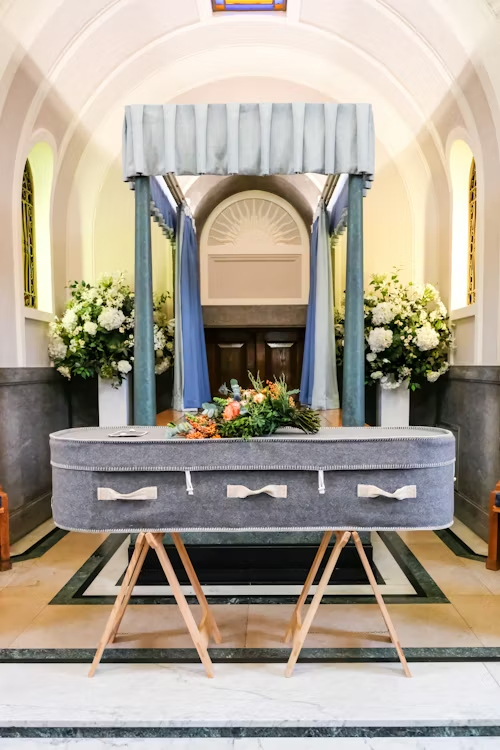
Cultural funeral rites are rooted in deep symbolism and offer profound insights into the beliefs of a culture regarding life, death, and the afterlife. They reflect how people process grief, respect their ancestors, and ensure the deceased’s peaceful journey to the next world.
Whether it is through music, prayer, or the act of preparing the body for burial, these rituals are integral to maintaining cultural heritage and continuity. The importance of cultural funeral rites extends beyond merely honouring the dead; they serve as a communal act of bonding, healing, and remembrance.
The Role of Cultural Funeral Rites in Society
Cultural funeral rites serve several key functions in society. They not only help the living process their grief but also provide a structured way for individuals to engage with the community during times of loss.
These rites are often marked by family gatherings, where community members offer their condolences and support. This collective mourning can ease the pain of loss and create a sense of belonging, as people share their sorrow and celebrate the life of the departed.
Furthermore, funeral rites are an essential part of maintaining social cohesion. They connect individuals to their heritage, reinforcing the importance of tradition. When a community collectively participates in these rites, it strengthens its bonds and reaffirms the values that unite its members.
The cultural aspects of funeral rites can include traditional music, food offerings, and clothing, all of which contribute to the remembrance of the deceased while honouring customs passed down through generations.
Symbolism and Meaning Behind Rituals
Every cultural funeral rite is imbued with symbolism. The rituals may symbolise the spiritual journey of the deceased, guiding them from the physical world to the afterlife. For instance, in certain African cultures, the body may be washed with specific herbs, believed to cleanse the spirit before its journey.
In Christian funeral practices, a service may involve prayers and scripture readings meant to provide solace for both the deceased and their family members. The use of candles, incense, or flowers, common in many cultures, serves as a symbol of remembrance and respect.
The elements of the funeral, whether physical or spiritual, serve as a bridge between the world of the living and that of the departed. These acts help families come to terms with loss, reminding them that life is fleeting and that death is a natural part of the human experience.
The symbolism in funeral rites also reinforces the beliefs and customs that communities hold dear, passing on cultural knowledge to the next generation.
How Cultural Funeral Rites Foster Healing
Cultural funeral rites play an essential role in the healing process. The act of paying respects to the deceased, whether through offering prayers, sharing stories, or simply being present, helps to create a sense of closure.
This sense of closure is often accompanied by a belief that the spirit of the deceased is at peace and will continue to watch over the living. In many cultures, a formal farewell allows individuals to express emotions that might otherwise remain unspoken.
These ceremonies also allow families to reflect on the deceased’s life, fostering gratitude and love. They encourage individuals to celebrate the life of the departed, highlighting the good deeds and memories left behind.
For the living, this collective remembrance is a way of ensuring that the legacy of the deceased lives on in the hearts of those who remain. Healing, in this sense, comes not only from mourning the loss but from embracing the joy and love the deceased brought to the world during their lifetime.
Cultural Variations in Funeral Rites Across the World
Funeral practices vary significantly from culture to culture, showcasing the diverse ways societies deal with death. For example, in Japan, funerals often include Buddhist rituals, where family members offer incense and prayers for the deceased’s peaceful transition.
The Chinese, on the other hand, may include a procession with offerings of food and money to appease spirits and ensure prosperity for the living. Similarly, in Hinduism, the funeral rites are closely tied to the belief in reincarnation, where rituals such as the burning of the body help the soul on its journey.
In Western cultures, funeral services often revolve around a church ceremony followed by a burial or cremation. Here, the focus is typically on providing comfort to the family and offering prayers for the deceased’s eternal soul.
Meanwhile, in many African cultures, funeral rites may be accompanied by elaborate dances, drumming, and storytelling, all of which honour the spirit of the departed and emphasise the community’s connection to its ancestors.
Though the rituals differ, the underlying significance of cultural funeral rites remains the same: they allow the living to express their grief, celebrate the life of the deceased, and maintain a connection with their cultural heritage.
Frequently Asked Questions
Q1: What are some common elements found in cultural funeral rites?
Cultural funeral rites typically involve a combination of rituals such as prayer, music, body preparation, and community participation. Elements like incense, offerings of food, and specific rituals for the deceased’s journey are commonly seen across many cultures. Each community will have its unique additions, depending on spiritual and cultural beliefs.
Q2: Why are funeral rites important for the healing process?
Funeral rites provide a structured way for individuals to grieve, allowing for emotional expression and closure. These rites help the bereaved come to terms with their loss, offering a sense of peace and comfort by reaffirming the spiritual beliefs about life, death, and the afterlife.
Q3: How do cultural funeral rites help maintain tradition?
Funeral rites are a vital way of preserving cultural traditions, ensuring that customs and beliefs passed down through generations continue to be observed. These rites help teach younger generations the importance of honouring the deceased and their cultural heritage.
Conclusion
Cultural funeral rites hold an undeniable significance in the lives of individuals and communities around the world. They serve as a means of honouring the deceased, supporting the grieving, and preserving cultural traditions. The rituals provide a space for closure, healing, and remembrance, ensuring that the deceased’s legacy is carried forward by those left behind.
By understanding the richness and diversity of these rites, we gain a deeper appreciation for how different cultures approach life and death, emphasising the universal need to celebrate, respect, and remember those who have passed away. Through cultural funeral rites, death becomes not an end but a continuation of a spiritual journey, one that binds the living and the departed across generations.