
A well-maintained garden adds life, structure, and value to any property. Whether attached to a residential home, rental property, apartment complex, commercial building, or mixed-use development, the garden is often one of the first things people notice.
Healthy lawns, trimmed hedges, flowering beds, clean pathways, and neat outdoor areas create a welcoming impression while also improving the enjoyment and functionality of the space.
However, attractive gardens do not remain in good condition on their own. Grass grows quickly, weeds spread unexpectedly, plants need nutrients, soil becomes compacted, irrigation systems fail, and seasonal weather can stress even established landscapes.
This is why regular property garden maintenance is essential. It protects the appearance of the property, supports plant health, reduces long-term repair costs, and ensures the outdoor area remains pleasant throughout the year.
Many owners, tenants, and managers ask an important question: What do you need for garden maintenance? The answer includes more than a mower and a pair of gloves. Proper garden maintenance requires planning, tools, equipment, watering systems, soil care, plant knowledge, seasonal routines, and consistent attention.
It can be done personally for smaller spaces or handled professionally for larger or more demanding properties.
This blog explains Property Garden Maintenance in depth, outlines exactly what you need for effective upkeep, and shows how regular care keeps gardens healthy, tidy, and valuable over time.
Understanding Property Garden Maintenance
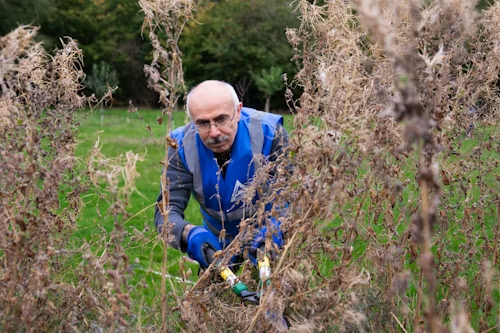
Property garden maintenance refers to the ongoing care of outdoor garden areas connected to a property. The goal is to keep the landscape healthy, safe, attractive, and practical.
More Than Simple Lawn Mowing
Many people assume maintenance only means cutting grass occasionally. In reality, it includes watering, pruning, fertilising, pest control, weed removal, seasonal planting, soil improvement, edging, and general cleanup.
Applies to Many Property Types
Garden maintenance is important for private homes, rental houses, townhouses, office properties, strata complexes, retail buildings, hotels, schools, and aged care facilities.
Protects the Value of Outdoor Investments
If a property owner has spent money on turf, paving, trees, irrigation, or decorative planting, maintenance protects that investment and helps it last longer.
What Do You Need for Garden Maintenance
The answer depends on the size and style of the property, but most successful garden maintenance programs need the following essentials.
Basic Garden Tools
Tools make everyday maintenance practical and efficient.
Hand Trowel and Hand Fork
Useful for planting, loosening soil, and removing weeds around delicate plants.
Pruning Secateurs
Essential for trimming flowers, shaping shrubs, and removing dead stems.
Garden Rake
Helpful for collecting leaves, spreading mulch, and levelling soil.
Spade and Shovel
Needed for digging holes, edging beds, and moving compost or soil.
Wheelbarrow
Useful for transporting green waste, mulch, pots, and supplies.
Lawn Care Equipment
Lawns are often the largest feature in many properties.
Lawn Mower
A reliable mower is one of the most important maintenance tools for grassed areas.
Line Trimmer
Useful for edges, fence lines, corners, and hard-to-reach areas.
Edger
Creates crisp borders between lawn and garden beds or pathways.
Lawn Aerator
Helpful for compacted lawns that struggle with drainage or root growth.
Watering Equipment
Plants need consistent hydration.
Garden Hose
A hose with an adjustable nozzle allows targeted watering.
Sprinklers
Useful for larger lawns or broad garden beds.
Drip Irrigation Systems
Efficient for water-conscious properties and slow deep watering.
Timers and Controllers
Automated watering helps maintain consistency.
Soil and Plant Care Materials
Healthy gardens start below the surface.
Compost
Adds nutrients and improves soil structure.
Fertiliser
Supports growth, flowering, and lawn colour when used correctly.
Mulch
Retains moisture, suppresses weeds, and improves appearance.
Soil Wetting Agents
Helpful in dry climates or compacted soils.
Safety and Personal Gear
Garden work should be done safely.
Gloves
Protect hands from thorns, dirt, and blisters.
Protective Eyewear
Important when trimming or using power tools.
Sturdy Footwear
Reduces slips and foot injuries.
Sun Protection
Hats, sunscreen, and long sleeves are valuable for outdoor work.
A Maintenance Plan
Tools alone are not enough. A schedule keeps tasks on track.
Why Property Garden Maintenance Matters
First Impressions
A tidy garden can dramatically improve how a property is perceived.
Residential Homes
Visitors and neighbours notice the presentation immediately.
Rental Properties
Well-kept gardens attract quality tenants.
Commercial Sites
Clients often judge professionalism by the condition of the exterior.
Property Value
Outdoor presentation can influence resale value and rental demand.
Plant Health
Routine care prevents decline, disease, and unnecessary replacement costs.
Safety
Overgrown plants, slippery leaves, or hidden paths can become hazards.
Enjoyment of Outdoor Space
People are more likely to use gardens that feel inviting and comfortable.
Essential Weekly Garden Maintenance Tasks
Consistency is one of the most important parts of successful garden care.
Mowing the Lawn
Grass should be cut regularly according to season and growth rate.
Checking Moisture Levels
Inspect soil and plant condition rather than watering blindly.
Quick Weed Removal
Young weeds are easier to remove than established infestations.
Sweeping Paths and Patios
Clean hard surfaces instantly improve appearance.
Visual Inspection
Look for pests, disease, broken irrigation heads, or plant stress.
Monthly Garden Maintenance Tasks
Pruning and Shaping
Trim hedges, remove dead growth, and maintain form.
Feeding Plants
Apply appropriate fertiliser based on plant type and season.
Mulch Top-Ups
Refresh thin mulch layers to improve moisture retention.
Irrigation Checks
Ensure timers, sprinklers, and drip lines function correctly.
General Cleanup
Remove green waste, fallen branches, and clutter.
Seasonal Garden Maintenance Needs
Each season creates different priorities.
Spring
Spring is often the busiest season.
Growth Surge
Plants respond strongly to warming weather.
Fertilising and Planting
Ideal for many planting and lawn recovery tasks.
Summer
Hot weather increases watering needs.
Moisture Management
Deep watering is often better than shallow daily watering.
Heat Stress Monitoring
Watch for wilted or scorched plants.
Autumn
Preparation season for cooler months.
Leaf Cleanup
Regular removal prevents slippery surfaces and smothered lawns.
Planting Opportunities
Cooler temperatures can support establishment.
Winter
Slower growth, but not zero maintenance.
Pruning Selected Plants
Some species benefit from winter pruning.
Drainage Checks
Wet weather can expose drainage issues.
What Plants Need for Healthy Maintenance
Correct Light
Different plants require sun, shade, or mixed conditions.
Suitable Soil
Poor soil often causes weak growth.
Regular Water
Not too much and not too little.
Airflow
Crowded plants can develop fungal problems.
Nutrition
Balanced fertilising supports resilience.
Space to Grow
Overcrowding leads to stress and competition.
Common Garden Maintenance Problems
Weeds Taking Over
Usually caused by neglect, bare soil, or inconsistent control.
Patchy Lawn
May result from shade, compaction, poor watering, or pests.
Yellow Leaves
Could indicate nutrient deficiency, overwatering, or drainage problems.
Plant Death
Sometimes linked to unsuitable plant choice for the location.
Overgrown Hedges
Regular trimming prevents difficult restoration work later.
How to Maintain Gardens on Rental Properties
Rental properties need practical, efficient systems.
Use Durable Plants
Choose hardy varieties that tolerate occasional neglect.
Keep Layouts Simple
Complicated gardens often decline faster.
Set Clear Responsibilities
Owners and tenants should understand who handles watering or mowing.
Schedule Professional Visits
Periodic servicing helps maintain standards.
Property Garden Maintenance for Apartment Complexes
Shared gardens need organised management.
Entry Areas
These zones shape resident and visitor impressions.
Common Lawns
Require regular mowing and safe surfaces.
Privacy Planting
Boundary hedges often need consistent shaping.
Waste Management
Leaf litter and fallen branches should be removed promptly.
Garden Maintenance for Commercial Properties
Professional Image
Neat gardens help businesses look organised.
Low-Disruption Scheduling
Maintenance may be timed outside busy hours.
Safety Compliance
Paths, car parks, and entries must remain clear.
Brand Experience
Outdoor presentation contributes to customer confidence.
Should You DIY or Hire Professionals
DIY Can Work Well For
Small gardens, hobby gardeners, and routine upkeep.
Professional Help Is Better For
Large properties, complex irrigation, tree work, hedge shaping, or time-poor owners.
Combination Approach
Many owners do light upkeep and book professionals seasonally.
What Professionals Bring to Garden Maintenance
Efficiency
Experienced teams complete tasks faster.
Knowledge
They can identify pests, diseases, soil issues, and plant stress early.
Commercial Equipment
Better tools often create cleaner results.
Consistency
Scheduled visits prevent a gradual decline.
How Much Should Garden Maintenance Cost
Costs vary depending on property size, access, frequency, and complexity.
Small Residential Gardens
Usually lower cost with shorter visit times.
Medium Family Properties
More lawns, hedges, and beds increase labour.
Large or Premium Properties
Can require advanced care, irrigation systems, and specialised pruning.
Commercial or Strata Sites
Often priced through maintenance contracts.
Ways to Reduce Garden Maintenance Costs
Maintain Regularly
Neglected gardens cost more to restore.
Use Mulch
Mulch reduces watering and weeds.
Choose Low-Maintenance Plants
Smart plant selection lowers labour demand.
Automate Irrigation
Consistent watering prevents expensive plant losses.
Prune Early
Small shaping jobs are cheaper than major cutbacks.
Best Low-Maintenance Plants for Properties
Native Plants
Often suited to the local climate.
Evergreen Shrubs
Provide structure year-round.
Groundcovers
Reduce weed growth and exposed soil.
Perennials
Return seasonally with less replanting.
Drought-Tolerant Species
Useful in dry regions or water-restricted areas.
Garden Maintenance Tools Worth Investing In
Quality Mower
Reliable mowing saves time and frustration.
Sharp Secateurs
Clean cuts are healthier for plants.
Good Hose Reel
Prevents hose damage and clutter.
Battery Garden Tools
Often quieter and easier to maintain.
Storage Shed
Keeps equipment organised and protected.
Signs Your Garden Needs Immediate Attention
Wilting Plants Despite Watering
Could indicate root rot or poor drainage.
Weeds Flowering Everywhere
Seed spread can worsen quickly.
Brown Lawn Patches
May indicate disease, pests, or watering faults.
Broken Irrigation
Leaks waste water and damage soil.
Branches Near Roofs or Paths
Need prompt pruning for safety.
Building a Smart Maintenance Schedule
Weekly
Mow, inspect, tidy, quick weed control.
Monthly
Prune, fertilise, adjust irrigation, deeper cleanup.
Quarterly
Mulch refresh, lawn treatment, plant replacement.
Annually
Review layout, redesign weak areas, and perform major pruning.
How Garden Maintenance Improves Lifestyle
More Usable Outdoor Space
People enjoy tidy gardens more often.
Less Stress
Cluttered, neglected gardens can feel overwhelming.
Better Air and Shade
Healthy planting improves comfort.
Stronger Community Feel
Well-kept shared gardens improve neighbourhood pride.
Frequently Asked Questions
What do you need for garden maintenance?
You need tools, lawn equipment, watering systems, soil care products, safety gear, and a regular maintenance plan.
Can I maintain a garden without professional help?
Yes, many small gardens can be maintained personally with routine effort and basic tools.
How often should gardens be maintained?
Most gardens benefit from weekly attention and monthly deeper tasks.
What is the most important maintenance task?
Consistency. Small regular tasks prevent larger expensive problems.
Does mulch really help?
Yes. Mulch helps conserve moisture, reduce weeds, and improve soil over time.
Long-Term Success in Property Garden Maintenance
Know the Purpose of the Space
Some gardens are decorative, others practical, social, or privacy-focused.
Work With the Climate
Choose plants and routines suited to local weather.
Observe Before Reacting
Not every yellow leaf needs fertiliser. Correct diagnosis matters.
Improve Gradually
Small steady upgrades often outperform expensive one-time makeovers.
Keep Records
Note fertilising dates, pruning schedules, and irrigation adjustments.
Conclusion
Property garden maintenance is the ongoing care that keeps outdoor spaces attractive, healthy, and functional. It includes mowing, pruning, watering, feeding, weed control, cleanup, and seasonal improvements designed to protect both plants and property value.
So, what do you need for garden maintenance? You need the right tools, dependable watering methods, healthy soil practices, regular routines, and a clear plan. For larger or more demanding sites, professional support can also be an excellent investment.
Whether the property is a family home, rental asset, commercial site, or apartment complex, consistent maintenance transforms the garden from a burden into an asset. With the right approach, any property can enjoy outdoor spaces that remain neat, welcoming, and beautiful throughout the year.