
A well-maintained outdoor space can completely transform the feel of a home, offering a peaceful retreat while also enhancing property value. However, keeping a garden in top condition often comes with an unavoidable challenge—accumulating waste.
From fallen leaves and grass clippings to branches, soil, and old garden fixtures, debris can quickly build up and become overwhelming without a proper disposal strategy.
Many homeowners attempt to manage this waste themselves, only to realise that traditional bins and occasional council collections are not always sufficient. Large volumes of organic material, especially after landscaping or seasonal clean-ups, require a more structured and efficient approach. Without it, gardens can become cluttered, unsightly, and even hazardous.
Garden rubbish removal plays a critical role in maintaining both the aesthetics and functionality of outdoor spaces. By ensuring that waste is handled responsibly and efficiently, homeowners can focus on enjoying their gardens rather than struggling to manage the aftermath of maintenance tasks.
Beyond convenience, proper waste removal contributes to environmental sustainability, reduces safety risks, and supports long-term garden health. Understanding how professional services operate and why they are beneficial can make a significant difference in how outdoor spaces are managed.
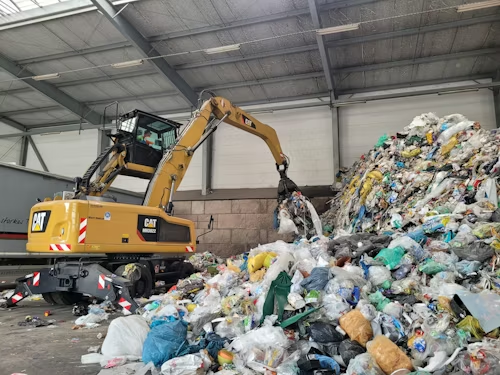
Understanding the Scope of Garden Waste
What Qualifies as Garden Rubbish
Garden waste encompasses a wide variety of materials generated through routine maintenance and landscaping projects. This includes green waste such as grass clippings, leaves, weeds, hedge trimmings, and branches. It may also extend to heavier materials like soil, rocks, and timber from removed structures or garden renovations.
In addition to organic debris, garden rubbish can include non-organic items like broken pots, fencing, old outdoor furniture, and discarded tools. These mixed waste types often complicate disposal, as different materials require different handling methods.
Recognising what constitutes garden rubbish is essential for selecting the right removal approach. Misclassification can lead to inefficient disposal or even environmental harm.
Seasonal Variations in Waste Accumulation
Garden waste is not consistent throughout the year. Seasonal changes heavily influence the volume and type of rubbish generated. Autumn, for instance, brings a surge in fallen leaves, while spring often results in increased pruning and clearing activities.
Summer maintenance may produce grass clippings and dried plant material, whereas winter storms can lead to broken branches and debris. Understanding these cycles helps homeowners plan timely removal and avoid excessive build-up.
Challenges of DIY Waste Disposal
While managing garden waste independently may seem cost-effective, it often proves impractical. Standard household bins are limited in capacity and may not accommodate bulky items. Transporting waste to disposal facilities requires time, effort, and suitable vehicles.
Additionally, improper disposal methods can lead to fines or environmental issues. Burning waste, for example, is restricted in many areas, and dumping materials illegally can have serious consequences. These challenges highlight the need for more efficient solutions.
Benefits of Professional Garden Waste Removal Services
Efficiency and Time Savings
One of the most significant advantages of professional services is the efficiency they provide. Experienced teams can quickly assess, collect, and remove large volumes of waste, saving homeowners considerable time and physical effort.
Rather than making multiple trips to disposal sites or struggling with heavy lifting, clients benefit from a streamlined process that handles everything in a single visit. This allows more time to focus on maintaining and enjoying the garden itself.
Proper Handling and Disposal
Professional services ensure that waste is sorted and disposed of correctly. Organic materials are often directed towards composting or recycling facilities, while non-organic items are handled according to local regulations.
This level of care reduces the environmental impact of garden maintenance and ensures compliance with waste management guidelines. It also eliminates uncertainty about where and how to dispose of different materials.
Improved Safety
Accumulated garden rubbish can pose various safety risks. Piles of debris may attract pests, create fire hazards, or become tripping obstacles. Sharp branches and heavy materials can also cause injuries during manual handling.
By removing waste promptly and professionally, these risks are significantly reduced. The use of specialised equipment and trained personnel further enhances safety during the removal process.
Environmental Impact and Sustainable Practices
Recycling and Reuse of Green Waste
Sustainability is a key consideration in modern waste management. Many garden waste removal services prioritise recycling, ensuring that organic materials are repurposed rather than sent to landfill.
Green waste can be converted into mulch, compost, or soil conditioners, which are then reused in landscaping and agriculture. This process not only reduces waste but also supports healthier ecosystems.
Reducing Landfill Contributions
Landfills are under increasing pressure, and organic waste contributes significantly to their volume. When garden rubbish decomposes in landfill conditions, it can produce methane, a potent greenhouse gas.
By diverting waste to appropriate recycling channels, professional services help minimise these environmental impacts. This contributes to broader efforts to reduce carbon emissions and promote sustainable living.
Supporting Local Environmental Initiatives
Many waste removal providers collaborate with local councils and environmental organisations to support community sustainability goals. This may include participating in recycling programmes, promoting composting practices, or adhering to strict environmental standards.
Choosing a service that aligns with these initiatives ensures that garden maintenance efforts contribute positively to the wider community.
Choosing the Right Garden Waste Removal Service
Assessing Service Capabilities
Not all services offer the same level of expertise or equipment. It is important to evaluate whether a provider can handle the specific types of waste generated in your garden. This includes considering volume, material types, and accessibility.
Some services specialise in green waste, while others manage mixed rubbish, including construction debris. Selecting a provider that matches your needs ensures efficient and effective removal.
Transparency in Pricing
Clear and upfront pricing is essential when selecting a service. Costs may vary depending on the volume of waste, type of materials, and level of labour required.
Reputable providers offer transparent quotes without hidden fees. Understanding the pricing structure helps homeowners make informed decisions and avoid unexpected expenses.
Reliability and Reputation
A service’s reliability is reflected in its punctuality, professionalism, and customer feedback. Reviews and recommendations can provide valuable insights into the quality of service offered.
Choosing a reputable provider ensures that the job is completed efficiently and to a high standard, reducing the likelihood of complications.
Integrating Waste Removal into Garden Maintenance
Planning Regular Clean-Ups
Incorporating waste removal into a regular maintenance schedule prevents the accumulation of debris. Seasonal clean-ups, combined with routine care, keep gardens manageable and visually appealing.
This proactive approach reduces the need for large-scale removal efforts and ensures that outdoor spaces remain functional year-round.
Combining Landscaping and Removal Services
Many homeowners undertake landscaping projects that generate significant waste. Coordinating removal services alongside these projects streamlines the process and prevents delays.
By addressing waste as it is created, the overall efficiency of garden improvements is enhanced. This also helps maintain a clean and organised work environment.
Enhancing Property Value
A well-maintained garden contributes significantly to property value and kerb appeal. Removing rubbish promptly ensures that outdoor spaces remain attractive and inviting.
Prospective buyers and visitors are more likely to appreciate a property with a clean, organised garden, making waste management an important aspect of property maintenance.
Frequently Asked Questions
What types of waste are typically included in garden rubbish removal?
Garden rubbish removal generally includes organic materials such as leaves, grass clippings, branches, and weeds, as well as non-organic items like soil, rocks, broken pots, and old garden furniture. The exact scope may vary depending on the service provider.
How often should garden waste be removed?
The frequency of removal depends on the size of the garden and the level of maintenance. Many homeowners schedule seasonal clean-ups, while others opt for more frequent services during periods of heavy growth or landscaping activity.
Is garden waste recycled or disposed of in a landfill?
Most professional services prioritise recycling and composting for organic waste. Non-recyclable materials may be disposed of in a landfill, but reputable providers aim to minimise this through sustainable practices.
Conclusion
Effective management of garden waste is essential for maintaining a clean, safe, and visually appealing outdoor space. From understanding the types of rubbish generated to recognising the benefits of professional services, a structured approach can significantly improve the overall gardening experience.
By integrating efficient removal practices into regular maintenance routines, homeowners can reduce environmental impact, enhance property value, and ensure their gardens remain enjoyable throughout the year.